

If you have a surgery date coming up, or you are a few weeks past one, it is natural to look for anything that might help recovery. Hyperbaric oxygen therapy (HBOT) comes up often. This guide explains what it is, why people ask about it after surgery, what the evidence does and does not show, and who should check with a doctor first. It is general information, not medical advice.
What is hyperbaric oxygen therapy?
HBOT means breathing oxygen while the air pressure around you is higher than normal, usually inside a sealed chamber. We explain the basics in How Hyperbaric Oxygen Therapy Actually Works. In short, the extra pressure lets more oxygen dissolve into your blood plasma than you would carry at normal pressure.
Why do people look at HBOT after surgery?
Healing needs oxygen. After an operation the body is repairing tissue, managing swelling and building new blood vessels, and oxygen delivery is part of that process. That is the reason people ask whether extra oxygen could support recovery. Oxygen delivery, swelling and tissue repair are areas that researchers continue to study. Interest in them is not the same as proof that HBOT will speed up your own recovery.
What does the evidence show, and what does it not?
Hospitals use HBOT for a short list of recognised medical conditions, including decompression illness, certain stubborn wounds and some radiation-related tissue injuries. Those treatments are delivered under medical supervision as part of a care plan.
Recovery after routine surgery is a different question. Research on HBOT around surgery is limited, uses different protocols and has mixed results, so nobody can promise a particular outcome. Anyone who guarantees faster healing is going further than the evidence does. If you are curious about HBOT, treat it as something to talk through with your care team, not a substitute for the care they give you.
HBOT is not a replacement for medical care
Nothing on this page replaces advice from your surgeon, GP or specialist team. Follow your aftercare instructions, attend your check-ups and tell your surgical team before you start any new therapy. Please ask your surgeon or GP whether HBOT is suitable for you before you book, particularly if you have had major surgery, have a wound that is not healing or are taking prescribed medication.
When HBOT may not be suitable
Some conditions mean HBOT may not be suitable, or needs medical clearance first. Please tell us and your doctor about any of the following before a session:
- an untreated pneumothorax (collapsed lung) or recent chest surgery;
- ear, sinus or chest problems, or a recent ear operation, as the pressure change can affect them;
- certain chemotherapy drugs, which some clinicians advise avoiding around HBOT;
- a fever or a current infection;
- pregnancy, or feeling uncomfortable in enclosed spaces.
This is not a complete list. It is why we talk through your health and any contraindications at the enquiry stage, before anything is booked.
What a session feels like
You lie back and relax, perhaps read or listen to something, while the pressure rises gently. The main sensation is a pressure change in your ears, similar to a flight, and your therapist talks you through how to ease it. If your ears or sinuses are already sore from surgery or a recent illness, say so beforehand, because that is exactly the kind of thing we want to know about.
Keeping expectations realistic
Recovery depends on the operation, your age, your general health and how closely you follow your aftercare plan. Rest, nutrition, gentle movement as advised, sleep and keeping your appointments matter far more than any single therapy. Some people find that a calm, structured routine at home helps them feel better looked after, and that is a perfectly good reason to ask about HBOT. What we will not do is promise that it will shorten your recovery or treat a condition. If your doctor advises against it, or asks you to wait, please follow that advice.
How Heila’s at-home chamber hire works
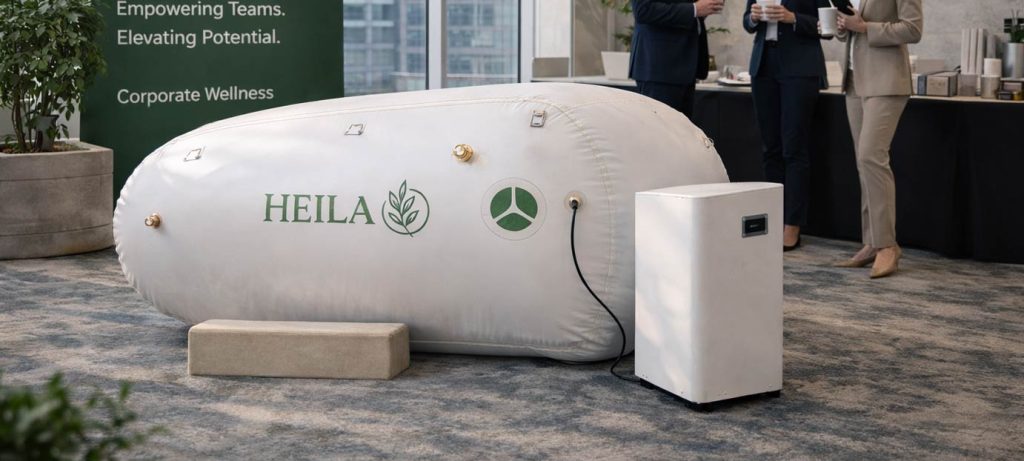
We deliver the chamber to your home, set it up and talk you through how it works, so there is no clinic visit. A typical session lasts around 60 minutes, and we suggest allowing around 90 minutes in total including set-up and cool-down. Sessions, weekly hire and monthly hire are available across Hertfordshire, Buckinghamshire, Oxfordshire and Berkshire, depending on what suits you. You can read more about hyperbaric chamber hire and see our areas we cover.
Questions to ask before you start
Before booking, it helps to ask your surgeon or GP whether HBOT is suitable for you and whether the timing fits your recovery. Ask us how many sessions are realistic, what the hire costs and what the set-up needs at home. If you would rather talk it through, get in touch and we will answer honestly, including when HBOT may not be right for you.
Next step
If you have checked with your doctor and want to find out more, see our HBOT page or the hyperbaric chamber hire page, then send us an enquiry.